
The Bottled Water You Drink, The Microplastics You Ingest
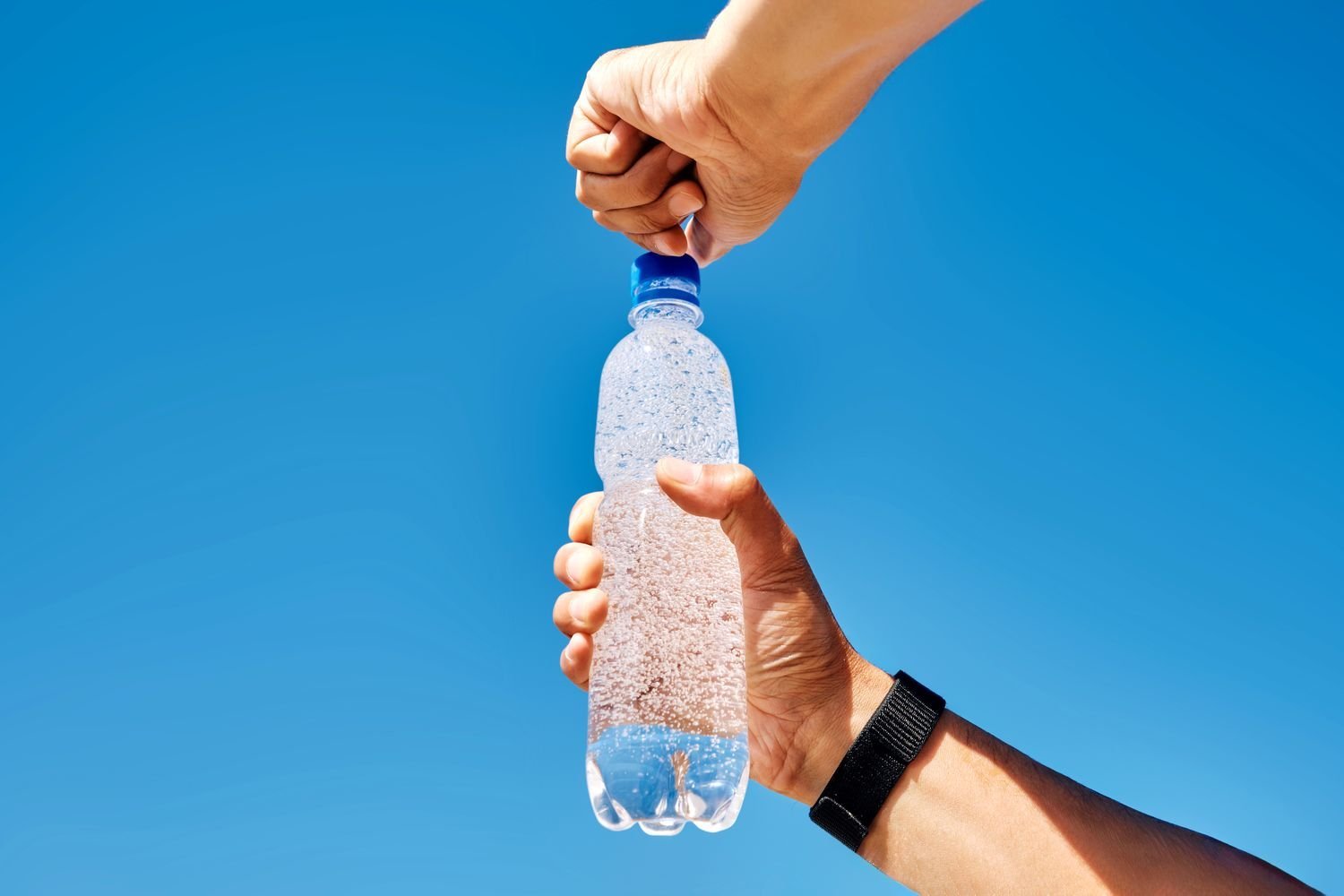
- A 2025 review published in theJournal of Hazardous Materialsrevealed that bottled water can contain over 6,600 microplastic particles per liter, and nanoplastics may be present at even greater levels.
- The review estimated that people who drink only bottled water may ingest up to 90,000 additional microplastic particles each year compared to those who drink tap water.
- Researchers traced much of this contamination to plastic bottle necks and caps, as well as to exposure to sunlight, and called for standardized testing to better assess health risks.
An estimated 600 billion plastic bottles were produced in 2021 for water alone, according to the United Nations University. The global bottled water market is worth an estimated $348 billion and is expected to reach $509 billion by 2030. The average American drank 46.5 gallons of bottled water in 2022, and consumer demand suggests it’s only up from here. However, one new study may have you rethinking this habit, especially if you care about microplastics.
In late 2025, researchers published a review paper in theJournal of Hazardous Materialsthat synthesized findings from than 140 scientific articles to determine how many micro- and nanoplastics are present in those bottles, where they come from, and what impact they may have on human health.
The researchers found that across the studies they analyzed, the amount of microplastics in water bottles varied widely, from two particles per liter to as high as 6,626.7 particles per liter. They also noted research indicating that nanoplastics can measure it at far higher counts. However, they stressed that without standardized testing methods, it’s hard to compare these studies and their findings.
Still, the review estimated that the average person ingests anywhere from 39,000 to 52,000 microplastic particles per year. However, if a person gets their daily recommended water intake solely from single-use bottled water, that number jumps to 90,000additionalmicroplastics per year. By comparison, the team estimated that those who drink only tap water ingest about 4,000 microplastic particles per year.
The findings led to the question of how those nano- and microplastics end up in bottled water in the first place. In their review, the researchers concluded that much of it is due to the bottleneck and cap. They pointed to work that suggested that polyethylene terephthalate (PET) bottlenecks and high-density polyethylene (HDPE) caps (both widely used in manufacturing plastic bottles) can be key contributors, especially when bottles are repeatedly opened and closed.
This mirrors another study Food & Wine shared via the French NGO Agir pour l’Environnement, which also found that repeatedly opening and closing plastic soda bottles significantly increased the number of microplastic particles in the beverages. In this new study, the researchers also noted that common habits, such as squeezing a bottle while drinking, can create small abrasions in the bottle that could increase plastic shedding. The researchers also pointed to work showing that prolonged exposure to sunlight on a plastic bottle can cause it to leach microplastics, which, again, Food & Wine told you about in 2024. (Hey, we warned you, didn’t we?)
But the researchers didn’t stop at explaining where these microplastics came from. They also reviewed the literature on their effects on human health, linking them to respiratory disease, reproductive effects, neurotoxicity, metabolic disruption, immune impacts, and an increased risk of certain cancers. Critically, however, the team noted that far work is needed to show that the microplastics are actually causing these adverse health effects.
Even with all this information, the researchers aren’t saying you should never reach for a plastic water bottle again. As Sarah Sajedi, the study’s lead author, toldThe Independent“Drinking water from plastic bottles is fine in an emergency, but it isn’t something that should be used in daily life.”
How to reduce microplastic intake from your drinking water
You don’t have to swear off bottled water forever — but a few simple habits can significantly reduce your exposure. Research suggests that microplastics often come from the bottle itself, especially the cap and neck. Here’s what you can do:
- Choose tap water when it’s safe.Studies estimate that tap water drinkers ingest far fewer microplastics than those who rely on bottled water.
- Switch to reusable stainless steel or glass bottles.These materials don’t shed plastic particles.
- Avoid squeezing plastic bottles while drinking.Pressure can create tiny abrasions that release microplastics.
- Limit opening and closing plastic bottles.Repeatedly twisting caps increases plastic shedding.
- Keep bottles out of direct sunlight and heat.Heat and UV exposure can accelerate plastic degradation.
Disclaimer: This news article has been republished exactly as it appeared on its original source, without any modification.
We do not take any responsibility for its content, which remains solely the responsibility of the original publisher.
Disclaimer: This news article has been republished exactly as it appeared on its original source, without any modification.
We do not take any responsibility for its content, which remains solely the responsibility of the original publisher.
Author: uaetodaynews
Published on: 2026-01-19 11:18:00
Source: uaetodaynews.com